


Link building is one of the most important, most misunderstood, and most abused areas in the whole of SEO. Done well, it is a genuine and lasting way to build your website’s credibility. Done badly, it is a fast route to wasted money and even penalties. Because so much dubious selling happens around it, understanding link building properly is one of the best ways to protect yourself from being taken advantage of.
Here is what link building is, why it matters, and, crucially, how to tell good link building from the harmful kind.
The straightforward definition
Link building is the practice of getting other websites to link to your website. Since links from other sites act as votes of confidence that help build your credibility with search engines, link building is the deliberate effort to earn or acquire more of those votes.
This connects to ideas throughout this glossary. As explained in the articles on backlinks and PageRank, links from other websites signal to Google that your site is worth paying attention to, and links from credible, relevant sources carry particular weight. Link building is simply the work of increasing the number and quality of those links pointing to you.
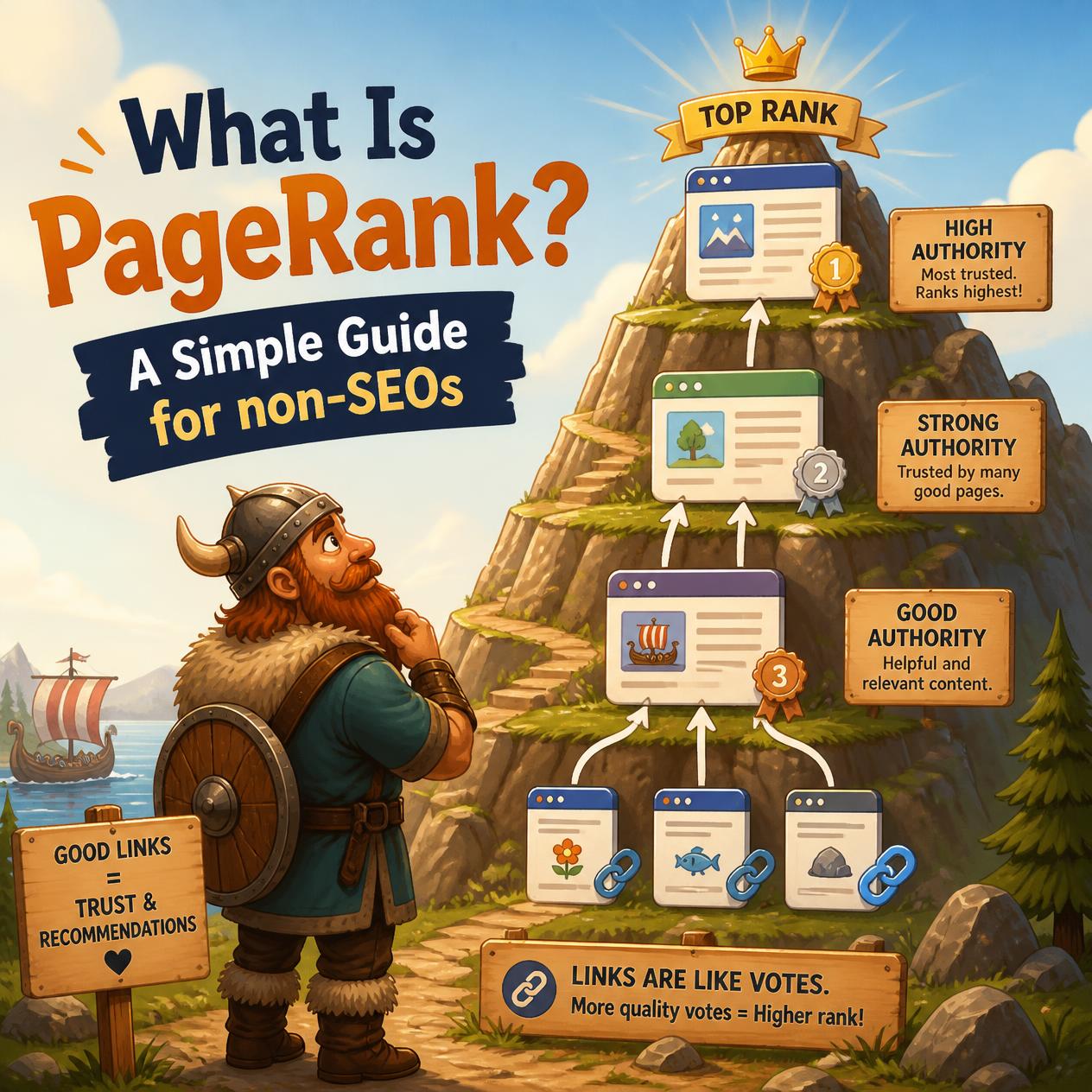
The reason it matters is that backlinks remain one of the more significant factors in how well a website ranks. A site with strong, genuine links from credible sources tends to be trusted and to rank better than an otherwise similar site with few such links. So earning good links is a genuinely valuable activity.
The crucial divide: good link building versus bad
Here is the single most important thing to understand about link building, and the reason it needs such careful handling. There is a world of difference between good, legitimate link building and bad, manipulative link building, and that difference can be the difference between helping your website and actively harming it.
Good link building means earning genuine links from relevant, credible websites because your business deserves them. It is about being genuinely worth linking to and then helping the right people discover and reference you. This is slower and takes real effort, but it produces links that genuinely strengthen your site and that stand the test of time.
Bad link building means acquiring links through manipulation: buying links in bulk, using low-quality automated schemes, placing links on spammy or irrelevant sites, or otherwise trying to fake the votes of confidence that links are meant to represent. This is often sold as cheap, fast and impressive-sounding, but it is at best worthless and at worst genuinely damaging.
The reason this matters so much is that Google actively works to detect and penalise manipulative link building. As covered in the article on penalties, a site caught using dubious link schemes can see its rankings drop sharply or be penalised outright. So bad link building is not merely a waste of money; it is a real risk to the visibility you already have. This is one of the clearest examples in all of digital marketing where a tempting shortcut can leave you worse off than doing nothing.
What good link building actually looks like
Legitimate link building takes many honest forms, all built on the same foundation: being genuinely worth linking to and then earning the link.
Creating genuinely useful content is central. When you publish content that is genuinely helpful, informative or valuable, other websites have a real reason to link to it as a resource. Much good link building starts with deserving links in the first place.
Earning coverage and mentions is another honest route. Getting your business genuinely featured, referenced or written about by relevant publications, local media, industry sites and the like earns credible links as a natural by-product of real recognition.
Building genuine relationships matters too. Real connections within your industry and community, partnerships, collaborations, and being a genuine part of your field, naturally lead to legitimate links over time.
And making sure you are properly listed in genuine, relevant directories and on credible industry sites provides a sound foundation of legitimate links.
The common thread is that good links are earned through genuine merit and real effort, not bought in bulk or faked. They tend to come from relevant, credible sources, and they reflect that your business is genuinely worth referencing.
The warning signs to watch for
Because bad link building is so heavily sold, it is worth knowing the warning signs so you can protect yourself.
Be very wary of anyone offering large numbers of links cheaply and quickly, promising a specific number of links for a low price, guaranteeing rankings through links, or being vague about exactly where your links will come from. Genuine link building is neither cheap nor instant, because earning real links from credible sources takes effort. An offer that sounds too good to be true almost always is, and in link building the consequences of the bad kind are especially serious.
The honest questions to ask are about quality and source: where exactly will these links come from, are those sites relevant and credible, and are the links genuinely earned. A trustworthy provider will answer plainly and talk in terms of quality and relevance. One who dodges these questions or leans on big numbers and low prices is waving a red flag.
Why it matters for your business
Link building matters because good links genuinely strengthen your website, and because bad links can genuinely harm it. Getting this right, or avoiding getting it wrong, protects both your marketing budget and the visibility you have worked to build. Few areas of digital marketing carry such a stark contrast between the value of doing it well and the danger of doing it badly.
It is also an area where the transparency and honesty of whoever you work with matters enormously. Because the harmful kind is so easy to sell and its dangers so easy to hide, link building is a real test of whether a provider is acting in your genuine interest.
What a business owner should actually do about it
Focus on the foundation of good link building, which is being genuinely worth linking to. Create genuinely useful content, do work worth talking about, build real relationships in your industry and community, and make sure you are properly listed in credible, relevant places. Links earned this way are the ones that last.
If you work with an agency on links, insist on quality and transparency. Ask where links will come from, whether those sources are relevant and credible, and how the links are being earned. Steer well clear of anyone selling links in bulk, promising guaranteed rankings, or being evasive about their methods.
Above all, resist the lure of cheap, fast link schemes, however tempting they sound. In link building more than almost anywhere, the shortcut is the trap. Choosing the slower, honest path of earning genuine credibility is exactly the kind of principled, protective thinking that keeps your website safe and builds strength that endures.


